Moving Heavy Furniture in Nairobi: What You Need to Know
A practical guide to safely moving large furniture items across Nairobi without damage or injury.
See everything Grip movers can do for you.
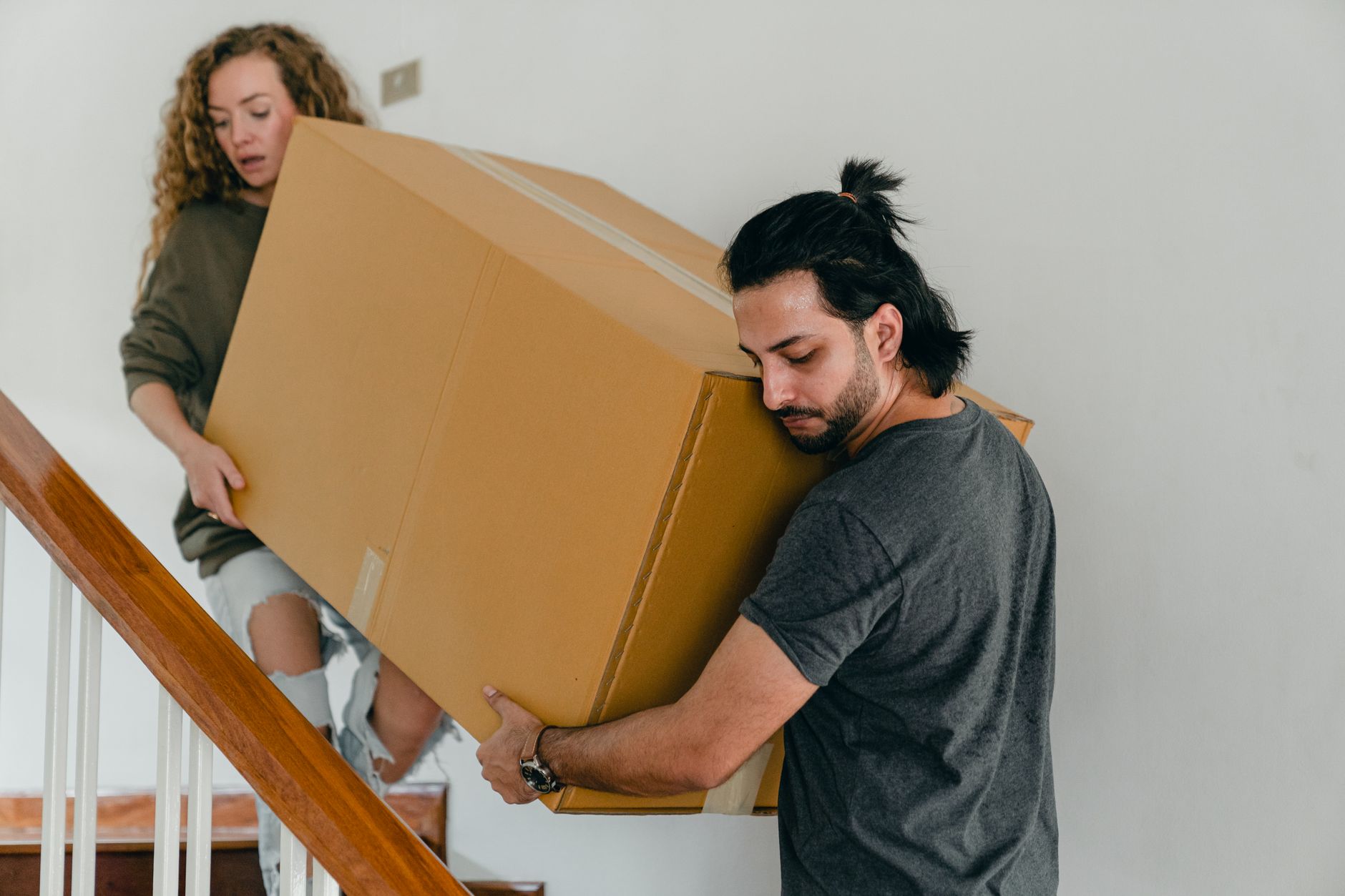
Moving heavy furniture is one of the most physically demanding and logistically tricky parts of any relocation. Whether you are shifting from a maisonette in Karen to a flat in Westlands, or relocating an office along Mombasa Road, the sheer weight and bulk of large pieces can turn a straightforward move into an exhausting ordeal. Understanding the challenges in advance, and planning around them, makes the difference between a smooth moving day and a costly, stressful one.
This article is part of our complete guide: House Moving Nairobi.
Why Heavy Furniture Moves Require Special Planning
Nairobi's varied terrain and building access challenges
Nairobi's neighbourhoods are wonderfully diverse, but that diversity creates real logistical puzzles for movers. A gated estate in Runda may have a long, steep driveway with a tight turning radius, while a high-rise in Kilimani might have a single service elevator barely wide enough for a standard sofa. Older buildings in areas like Ngara or Eastleigh often feature narrow staircases with low ceilings that simply were not designed with furniture removal in mind. Outdoor conditions matter too, because Nairobi's rainy seasons leave unpaved access roads muddy and difficult to navigate with a heavy moving truck. Thinking through these access points before moving day is not optional; it is the foundation of a workable plan.
Risk of damage to furniture and property during transport
Heavy furniture that is not properly secured or padded will sustain damage during a move, and so will the property around it. A mahogany dining table dragged across a tiled floor leaves scratches that cost far more to repair than the moving supplies that would have prevented them. Doorframes, painted walls, and banisters are especially vulnerable when large pieces are maneuvered through tight openings. The weight of a wardrobe or fridge also puts stress on the item itself, causing joints to loosen or veneers to crack if the piece is tilted at the wrong angle. Taking a few extra minutes to protect both the furniture and the building pays off significantly.
Personal injury hazards when moving without proper technique
Back injuries from improper lifting are among the most common moving-day accidents, and they can have consequences that last well beyond the move itself. Attempting to carry a double-door fridge down a flight of stairs without the right technique and enough hands puts everyone involved at genuine risk. Even relatively light pieces become dangerous when people are tired, rushing, or navigating uneven ground. A twisted ankle on a gravel path or a pinched finger under a shifted cabinet are the kinds of injuries that stop a move entirely. Planning for safety from the start, rather than reacting after an incident, keeps everyone on their feet and the move on schedule.
Impact on timeline and moving day stress
Underestimating how long it takes to move a single heavy piece can unravel an entire day's schedule. If a king-size bed frame takes twice as long to disassemble and carry down three flights of stairs as you budgeted, every subsequent task gets pushed back. In Nairobi, where traffic can swing dramatically depending on the time of day, a delayed departure from your old property can mean arriving at the new one during peak-hour gridlock along Waiyaki Way or Ngong Road. Stress compounds quickly when timelines slip, and that stress leads to rushed decisions that cause more damage. Factoring in realistic time buffers for every heavy piece is a straightforward way to protect your moving day.
Essential Equipment for Moving Large Pieces
Furniture sliders and moving blankets to protect floors
Furniture sliders are small, inexpensive discs that sit under the legs or base of heavy items and let them glide across floors without scratching. They work on tiles, hardwood, and concrete, which covers most flooring you will encounter in Nairobi homes. Moving blankets, sometimes called furniture pads, wrap around the exterior of large pieces to absorb impact and prevent scuffs during loading and transport. Together, these two tools handle the majority of surface protection needs for a standard home move. Having enough of both on hand before the move begins prevents improvised solutions like using bedsheets, which bunch up and slip at the worst moments.
Dollies and hand trucks suited for Nairobi stairs and narrow passages
A good quality furniture dolly is a flat, wheeled platform that lets two people move what would otherwise require four or five. Hand trucks, which are the upright L-shaped versions, are better suited for tall items like refrigerators and filing cabinets because they tip the load onto the back of the truck and roll it. In buildings with narrow corridors, a compact stair-climbing hand truck with rubberised wheels handles steps far more safely than carrying by hand. Choosing the right tool for the specific building layout you are working in matters enormously. A dolly that works perfectly in a spacious ground-floor office can become a liability in a cramped stairwell.
Straps and securing tools to prevent shifting during transport
Once furniture is loaded onto the moving truck, straps are what keep it from shifting, tipping, or colliding with other items during transit. Ratchet straps provide firm, adjustable tension and are significantly more reliable than rope or bungee cords for securing heavy pieces. In Nairobi's stop-and-go traffic and on roads with unexpected potholes, even a well-loaded truck will experience sudden braking and jolts. A wardrobe that shifts during a hard stop can fall onto other items or damage the truck interior, adding repair costs to an already expensive day. Strapping every large piece individually, rather than relying on the friction of packed items, is the standard to aim for.
Measuring tape to assess doorways and corridors before moving day
A measuring tape is one of the simplest and most overlooked tools in a successful move. Knowing the exact width of your doorframes, corridor widths, and elevator openings before moving day tells you exactly what can pass through and what needs to be disassembled first. In many Nairobi apartment buildings, the service elevator is narrower than you expect, and a sofa that fits through your flat's front door may not fit into the lift at all. Recording these measurements and comparing them to the dimensions of your large furniture pieces removes guesswork entirely. This twenty-minute task at both the origin and destination property can save hours of problem-solving on the actual moving day.
Room-by-Room Heavy Furniture Tips
Bedroom: Safely disassembling beds and protecting mattresses
Beds are almost always easier to move disassembled, and most modern bed frames are designed to come apart with basic tools. Removing the headboard, footboard, and slats and storing the bolts in a labelled zip-lock bag keeps everything organised and prevents lost hardware. Mattresses need their own protection because they collect dirt and moisture quickly if dragged across floors or left uncovered in an open truck. A purpose-made mattress bag, available at most hardware and packing supply shops in Nairobi, keeps the surface clean and dry during transport. Treating the mattress as a separate, fragile item rather than a convenient carrying pad for other things will extend its lifespan significantly.
Living room: Moving sofas and entertainment units through tight spaces
Large sofas are awkward rather than extremely heavy, but their size makes them one of the trickiest pieces to move through doorways and around corners. Standing the sofa on its end and sliding it through the doorframe is a technique that works in most standard openings, though measuring first confirms whether it will fit. Entertainment units are a different challenge because they are heavy, often have glass panels, and hold electronic equipment that needs to be fully disconnected and secured before the unit is moved. Removing shelves and drawers reduces the weight considerably and prevents them from sliding out unexpectedly. Keeping the remote controls, cables, and screws in a clearly labelled bag means your setup at the new place takes minutes rather than hours.
Dining: Transporting heavy tables without warping or scratching
Solid wood dining tables are among the heaviest pieces in a home, and they warp or crack when placed under uneven pressure during a move. Removing the legs, where the design allows, distributes the weight more evenly and reduces the risk of the tabletop flexing. The surface should be wrapped in moving blankets and then secured with stretch wrap to hold the padding in place, which protects against scratches and moisture during loading. When loading a table into the truck, placing it on its side rather than flat allows better use of space and reduces the chance of items being stacked on top of it. Carrying a dining table upright with the legs attached looks manageable but puts enormous strain on the leg joints.
Office: Securing filing cabinets and large desks for stability
Filing cabinets are deceptively heavy, especially when drawers are still loaded with documents. Removing the drawers individually and carrying them separately, or at least locking them so they cannot slide open mid-move, is a straightforward step that prevents a lot of accidents. Large office desks, particularly L-shaped workstations, rarely fit through standard doors assembled, so planning for disassembly and keeping the assembly instructions downloaded or photographed saves time at the new location. Cable management during an office move also matters because tangled cables slow down the setup process and can cause tripping hazards on a busy moving day. Labelling every cable and photographing your workstation setup before disconnecting anything makes reassembly far more efficient.
Preparing Your Home and the Furniture Itself
Clearing pathways and removing obstacles in stairwells
Before any heavy piece is lifted, every pathway it will travel through should be completely clear. In practice, this means removing rugs that can slip, folding back doors that restrict passage, and asking any building management to reserve the service elevator in advance. Stairwells in many Nairobi residential buildings double as storage for residents, and a bicycle or stack of boxes left on a landing can make an already narrow passage impassable. Walking the full route from each room to the truck, noting every potential obstruction, takes only a few minutes but prevents real problems on moving day. Informing neighbours in advance is also courteous and often prevents their belongings from blocking shared spaces during your move.
Padding sharp edges and wrapping items for protection
Sharp corners on furniture are the most common source of wall and doorframe damage during a move. Foam corner protectors, which are inexpensive and reusable, clip onto the edges of tables, shelving units, and cabinet corners and absorb impact during transit. Stretch wrap is useful for keeping drawers and doors closed on furniture that does not lock, and for bundling smaller loose items to larger pieces so nothing gets misplaced. Glass shelves and mirror panels need individual wrapping in bubble wrap and should be transported vertically rather than flat, because glass is far stronger in a vertical orientation. Taking the time to prep each item individually before it reaches the truck reduces the chance of damage significantly.
Documenting furniture condition before the move
Photographing your furniture before the move creates a clear record of its condition, which is valuable if a dispute about damage arises later. Walk through each room and take clear photos of any existing scratches, chips, or worn edges before a single item is touched. This is especially important for antique or high-value pieces where pre-existing marks could easily be confused with move-related damage. Storing these photos in a cloud folder, dated and organised by room, takes ten minutes and provides reliable documentation. For office relocations, this step is often required by building management as part of the move-in and move-out inspection process.
Identifying weight limits for elevators in Nairobi apartment buildings
Elevator weight limits in Nairobi apartment buildings vary widely and are not always posted prominently near the doors. Checking with the building manager or security team for the rated capacity of the service elevator prevents the awkward and costly situation of discovering mid-move that your large wardrobe exceeds the limit. Some older lifts in buildings along Jogoo Road or in parts of South B were installed decades ago and have lower capacities than newer high-rises in Westlands or Kilimani. If the elevator is not suitable for a specific heavy piece, knowing this in advance allows you to plan the staircase route and allocate the right number of people for the carry. Building management can also advise on any time restrictions for using the service elevator, which affects your overall moving day schedule.
When to Call Professional Movers Instead
Extremely heavy or antique pieces requiring specialty handling
Some furniture simply exceeds what a household move-it-yourself effort can safely manage. A solid hardwood antique armoire, a grand piano, or industrial office shelving all require specialised equipment and trained hands to move without damage or injury. Antique pieces carry both financial and sentimental value, and the techniques for moving them safely differ from standard furniture because the joinery is often older and more brittle. Professional movers who handle these items regularly carry the right equipment and know how to distribute weight and control movement in ways that protect the piece from start to finish. Attempting to save money by handling these items yourself often results in repair or replacement costs that far exceed what professional help would have cost.
Complex multi-story relocations with limited access
When a relocation involves multiple floors, limited elevator access, and heavy furniture throughout, the coordination required goes well beyond what most households can manage alone. Moving a three-bedroom home on the fourth floor of a building without a service elevator, for example, requires a coordinated team that can relay items safely and efficiently down the stairwells without blocking each other or exhausting themselves before the work is half done. Professional movers plan these scenarios in advance, assign roles, and bring the right mix of people and equipment for the specific building layout. Trying to manage this kind of move with family members or friends who are not used to the physical demand frequently leads to injuries and significantly longer completion times. For moves in buildings with particularly restricted access, professional teams also know how to communicate with building management to arrange necessary permissions and elevator reservations.
Time constraints and physical limitations of your household
Not every household has the physical capacity to move heavy furniture safely, and that is entirely reasonable. Older adults, people recovering from injury, or households with young children simply cannot safely carry a double-door fridge or a ten-seater dining table without real risk. Even for physically capable households, a very tight moving timeline, perhaps tied to a lease end date or office handover deadline, makes a professional team far more practical than a self-managed effort. Professional movers with experience in Nairobi's specific buildings and traffic patterns can often complete a move in half the time a self-managed effort would take. Recognising your household's actual capacity and time constraints is not a concession; it is good planning.
Protection and insurance coverage for valuable items
When a professional moving company handles your furniture, there is an accountable party if something is damaged during the move. Reputable movers carry insurance or offer coverage options that protect high-value items in transit, which a self-managed move simply cannot replicate. For offices relocating expensive equipment or businesses moving items with contractual obligations around condition, this protection is not optional. Documenting the value of your furniture and asking your moving company directly about their coverage terms before signing any agreement is always worthwhile. Knowing that your belongings are protected gives you the confidence to focus on settling into your new space rather than worrying about what might have been scratched or broken on the way.
Moving heavy furniture in Nairobi demands honest planning, the right tools, and a clear-eyed assessment of what your household can safely manage on its own. The steps covered here, from measuring doorways to protecting surfaces and recognising when to bring in professionals, apply whether you are moving across the street in Lavington or across town to Ruaka. If at any point you would like an experienced team to handle the heavy lifting for you, our moving services are built around exactly these kinds of challenges, and we are always glad to help you plan a move that goes smoothly from start to finish.
See everything Grip movers can do for you.
Visit Grip movers →