How to Pack Fragile Items for Your Nairobi Move
Master the art of protecting glassware, ceramics, and artwork during your relocation with proven packing techniques.
See everything Grip movers can do for you.
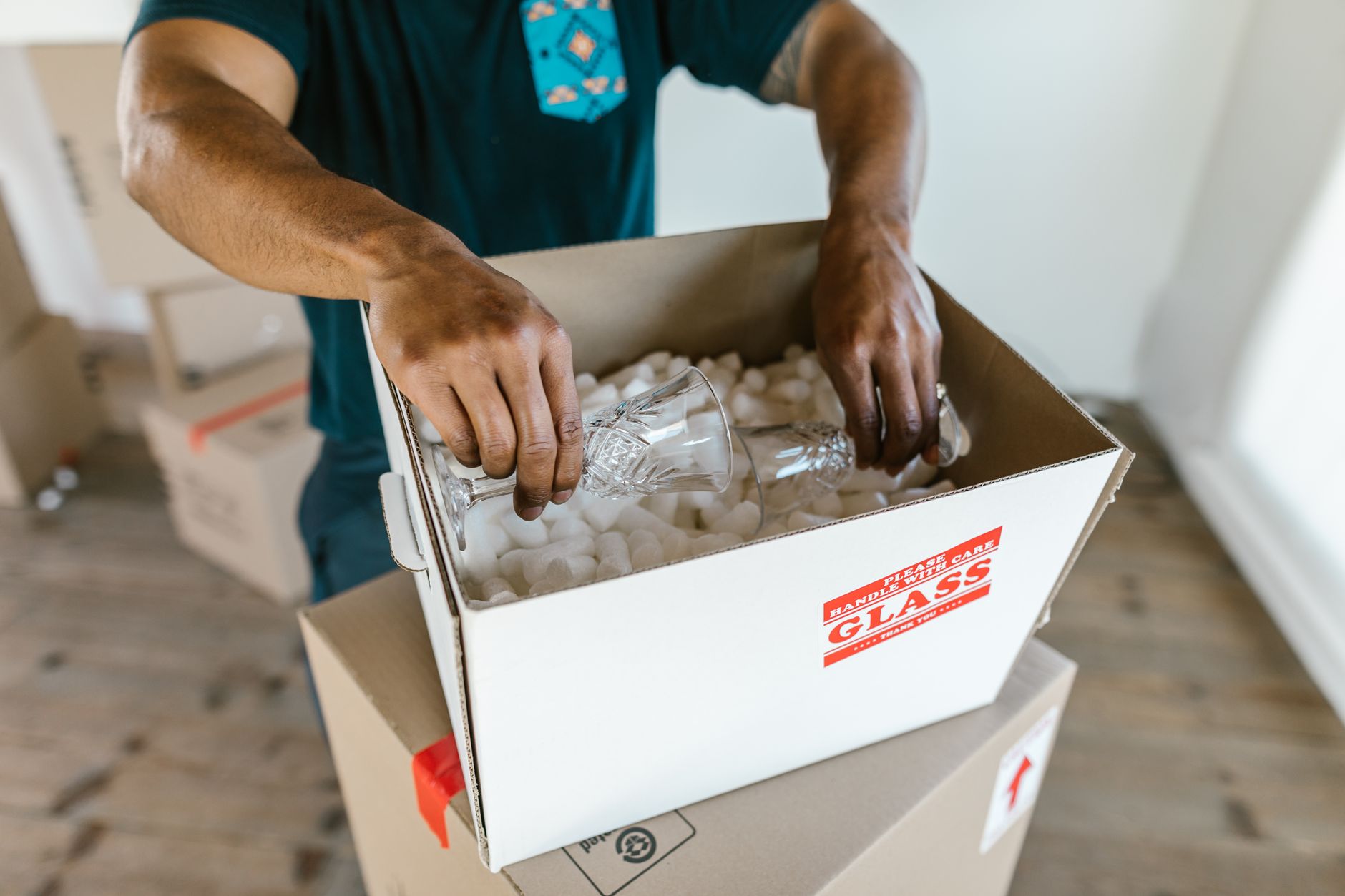
Moving fragile belongings across Nairobi is one of the most nerve-wracking parts of any relocation. A little planning and the right technique can mean the difference between arriving with every glass intact and spending your first evening sweeping up shards. This guide walks you through everything you need to know about packing breakables safely before, during, and after your move.
This article is part of our complete guide: House Moving Nairobi.
Why Fragile Item Protection Matters
Breakables account for the majority of damage claims in any household or office move, and the reason is almost always insufficient wrapping rather than rough handling. A mug that is barely cushioned will crack even during a gentle stop. Nairobi's roads add a layer of complexity that many people underestimate. Potholes along routes like Mombasa Road or Ngong Road create sudden jolts that travel straight through an under-packed box. Extra cushioning compensates for what even the most careful driver cannot control on unpredictable tarmac. Fewer breakages also mean fewer insurance claims and a smoother transition into your new home or office.
Gathering the right supplies before you start packing saves time and prevents improvised shortcuts that lead to breakages. Bubble wrap provides the primary shock-absorbing layer, packing paper fills voids and wraps individual items, and foam sheets add a firm buffer between stacked pieces. Each material serves a specific role, so using all three together gives you layered protection rather than relying on a single solution. Choose double-walled cardboard boxes rated to hold the weight you are packing, because a box that buckles under its own load transfers stress directly to the contents. Towels, blankets, and soft clothing can cushion larger pieces like vases or lamps when you run short of foam. Packing tape, a permanent marker, and cardboard dividers let you seal, label, and compartmentalize boxes efficiently before you handle a single item.
Packing Dishes, Glassware, and Decorative Items
Wrapping Individual Pieces
Start with a sheet of packing paper laid flat on a clean surface, then place one plate at the center and fold the edges over it completely. Follow that with a layer of bubble wrap secured with a small strip of tape so nothing unravels inside the box. Never bundle multiple plates together before they are individually wrapped, because even a slight shift grinds ceramic against ceramic. Glasses deserve the same treatment: tuck paper inside the glass first to support the walls, then wrap the outside. Taking the time to wrap each piece separately feels slow in the moment but prevents nearly all breakage during transit. Working through one category at a time, such as all mugs before moving to bowls, keeps the process organized and reduces the chance of skipping a piece.
Boxing and Labeling
Once wrapped, plates should stand on their edges inside the box the way vinyl records sit in a crate, not lie flat in a horizontal stack. Vertical orientation distributes the shock of a bump along the strongest axis of the plate rather than across its flat face. Pack glasses mouth-down in the same upright fashion so the rim, which is the most delicate part, does not bear the weight of anything above it. Fill every gap in the box with crumpled packing paper or foam peanuts so nothing shifts when you shake the box gently. Write "FRAGILE" in large letters on at least three sides of the box, and add an arrow indicating which side faces up. Clear labeling is a simple step that significantly changes how anyone who lifts the box will handle it.
Choosing the Right Box Size
Box size is something many people overlook until they are halfway through packing and realize their dishes barely fit or, worse, rattle around with too much empty space. A box that is too large tempts you to overfill it, which adds weight that strains the bottom seams and increases the risk of a collapse. A box that is too small forces you to stack items in ways that put pressure on the outermost pieces. For dishes and glassware, a medium-sized double-walled box holds enough to be efficient without becoming dangerously heavy. Aim for a finished box weight that you can comfortably lift with one hand steadying the bottom, which is roughly ten to twelve kilograms as a practical ceiling. Getting the size right from the start means less repacking and a sturdier result.
Protecting Artwork, Mirrors, and Decorative Pieces
Cardboard corner protectors slip over the corners of framed artwork and mirror frames to absorb the impacts that would otherwise chip or crack the most exposed points. Foam edge guards serve the same purpose for longer straight edges and are easy to find at most packing supply shops around Nairobi. Apply painter's tape in a grid pattern across mirror glass before wrapping so that if a crack does occur during transport, the glass holds together rather than shattering into loose shards. Wrap the entire piece in a moving blanket or furniture pad and secure it with stretch wrap or rope. Mirror boxes and picture boxes, available flat-packed from specialist suppliers, have significantly thicker walls than standard cartons and are worth sourcing for anything valuable or sentimental. When loading framed artwork into the truck, position it at a slight angle leaning against a padded surface rather than standing it fully upright where it can topple during a sharp turn.
Packing Fragile Electronics and Appliances
Electronics and small appliances are often treated as an afterthought in fragile packing plans, yet a cracked screen or a snapped hinge is just as costly as a broken vase. Whenever possible, reuse the original manufacturer's box, because it was designed specifically to cradle that item's shape and absorb shipping stress. If the original packaging is gone, wrap screens and glass panels with two full layers of bubble wrap and then fill the remaining space in the box with foam peanuts or rolled packing paper. Remove any detachable parts such as lids, stands, or cables and pack them separately with a label linking them back to the main unit. Seal every box containing electronics with reinforced tape along all seams, not just the top flap, to prevent the base from giving way. Keeping a photo of how cables were connected before you unplugged them saves significant time when you set everything up at the new address.
Before you close any electronics box, take a moment to double-check that nothing inside can shift by shaking the sealed box gently and listening for movement. If you hear anything sliding, open the box and add more padding until the contents sit firm. This extra check takes less than a minute per box and catches the gaps that lead to screen cracks in transit. Labeling electronics boxes with both "FRAGILE" and a brief note of the contents, such as "monitor, face-up only," removes all ambiguity for whoever lifts them. It is also worth photographing each device in good condition before it goes into the box, so you have a clear record of its state at the start of the move. That documentation can be invaluable if you need to support a damage claim later.
Loading, Transport, and Final Inspection
Loading the Truck
The sequence in which you load a moving truck matters as much as how you pack individual items. Fragile boxes should go into the truck first so they end up against the cab wall, which is the most stable position during acceleration and braking. That position also means heavier furniture loaded afterward sits behind them rather than on top of them. Avoid placing any heavy boxes or furniture directly on top of fragile cartons, even when space in the truck feels tight. Use straps or ropes to anchor fragile boxes to the truck walls so they cannot slide or tip during Nairobi's stop-and-go traffic. Before the first item leaves your doorstep, take five minutes to brief your moving team on which boxes are fragile and what specific handling each requires.
Handling Nairobi's Road Conditions
Nairobi's urban roads can shift from smooth tarmac to sharp potholes within a single block, so good loading alone is not enough to protect your breakables. Ask your driver to take routes that avoid the worst road surfaces where the schedule allows, even if that means a slightly longer journey. Reducing speed over speed bumps and potholes is a straightforward habit that dramatically lowers the jolts transferred to packed items. A moving blanket draped over the top layer of fragile boxes inside the truck adds one more layer of vibration dampening for longer journeys. On routes like Thika Road or Jogoo Road during peak hours, slow traffic is actually your friend, because gradual starts and stops put far less stress on packed boxes than sudden braking. Communicating these preferences clearly to your driver before departure makes a measurable difference in what arrives intact.
Unpacking and Inspecting Your Items
Resist the temptation to leave fragile boxes sealed until you have dealt with furniture assembly and other tasks. Unpack your breakables first while you still have clear space and good light, and inspect each item as it comes out of the box. If you notice a chip, crack, or any other damage, set the item aside immediately and do not throw away its wrapping. Document the damage with clear photographs that show the item alongside its box and the packing materials, because this evidence is essential if you need to file an insurance claim. Keep all packing materials for at least a week after your move so you have proof of how items were protected. Taking photos of your belongings in good condition before the move begins gives you a before-and-after record that supports any claim you may need to make.
Packing fragile items well is genuinely one of the most valuable things you can do before a Nairobi relocation. When you take care of the preparation, moving day becomes a logistical task rather than a source of dread. If you would like help from a team that handles your belongings with the same care you would, get in touch with us to talk through your upcoming move.
See everything Grip movers can do for you.
Visit Grip movers →