Prepare Your Nairobi Home for Moving Day: Room-by-Room Guide
A practical room-by-room guide to preparing your Nairobi home before the movers arrive, including decluttering, organizing, and protecting your spaces.
See everything Grip movers can do for you.
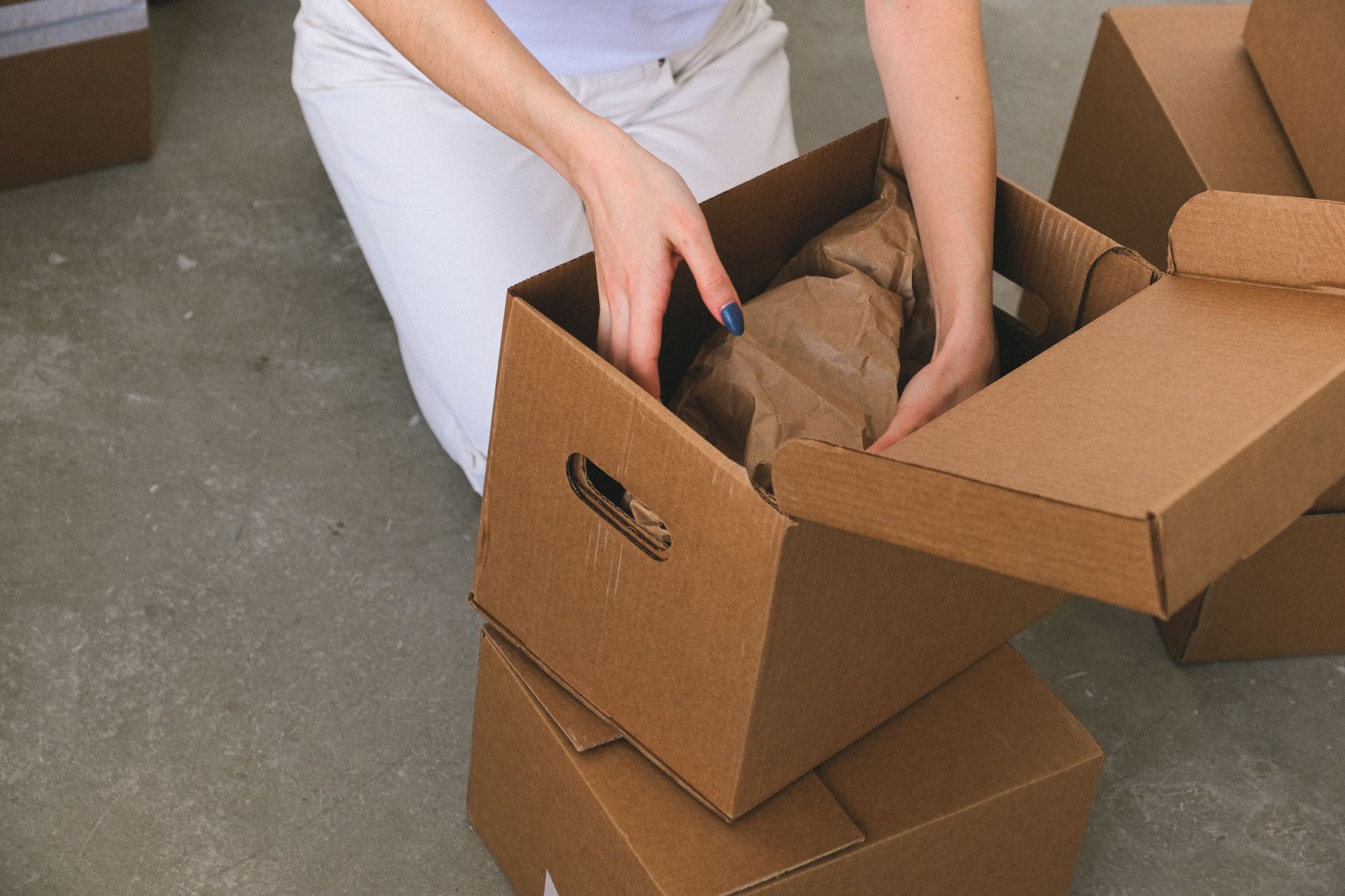
If you have ever watched a moving day spiral into chaos because something was not packed, a doorway was too narrow, or nobody knew where a box was supposed to go, you already understand why preparation matters more than the move itself. A little planning in the days before Grip Movers arrives at your Nairobi home can make the difference between a smooth handover and a stressful scramble. This room-by-room guide walks you through exactly what to do so that moving day feels organised rather than overwhelming.
This article is part of our complete guide: House Moving Nairobi.
Home Moving Preparation Checklist: Start with a Full Home Walkthrough
Begin by going through every room with a notebook and making three clear lists: items leaving with you, items you plan to sell, and items you will donate before the move. Nairobi has active online marketplaces and donation centres that can take furniture and electronics in good condition, so clearing those out early reduces both clutter and moving costs. Once you know what is travelling, flag anything fragile or valuable, such as artwork, antiques, or electronics that require special handling instructions for the team. Walk through the house specifically looking at tight corners, narrow doorways, and any staircases that could complicate moving large furniture. Many older homes in areas like Karen or Kilimani have doorframes that appear wider than they are, and knowing this ahead of time helps the crew plan their approach. Finally, sketch a rough floor plan of your new home so you can guide the moving team on where each piece should land without wasting time on moving day.
Map Access Routes Early
Walk the path from each room to the front door and note any obstacles that could slow the crew down. Pay attention to features like low ceiling fans, wall-mounted shelves that jut into the corridor, and decorative pots near entryways. These small obstacles are easy to overlook during a normal day but become serious bottlenecks when movers are carrying a wardrobe or a dining table. Remove or secure anything along those routes at least the evening before Grip Movers arrives. A clear, unobstructed path from every room to the truck is one of the fastest ways to cut your total moving time.
Prepare Your Living Areas
Your living room tends to hold the most decorative items, and those need to come off shelves and out of cabinets well before your home moving preparation checklist reaches its final stages. Pack ornaments, photo frames, and loose electronics in clearly labelled boxes, using bubble wrap or clothing as cushioning material. Furniture like sofas and bookshelves often have detachable legs or shelving units that are safer to transport separately, so remove those parts and keep the hardware in a small labelled bag taped to the item. Take photographs of how your current space is arranged, particularly for entertainment units with multiple cables, so you can reconstruct them accurately at your new address. Clear every walkway between the living room and the front door so the Grip Movers team can carry large items without navigating around loose objects. A tidy path saves time and reduces the risk of anything being knocked or damaged during transit.
Handling Large Furniture Pieces
Sofas, sectionals, and large bookshelves often need to be tilted or partially disassembled to clear a doorway safely. Check whether your sofa has removable back cushions or feet that would reduce its overall height and width during transit. If a piece was assembled inside the room and cannot be removed in one unit, let the Grip Movers team know during the pre-move walkthrough so they can bring the right tools. Taking a quick measurement of both the furniture and the doorframe beforehand is a simple step that prevents a great deal of frustration on moving day. Keep all screws and fittings in a labelled zip-lock bag attached directly to the item they belong to.
Organize Your Bedrooms and Storage
Wardrobes that are still full of clothing are one of the most common reasons a move runs over schedule, so empty them completely and pack everything into sturdy cardboard boxes or purpose-built wardrobe boxes. Sort through under-bed storage and closet shelves at the same time, using this as an opportunity to discard items you have not used in a year. Bedding and pillows can go into large bags or suitcases, which saves boxes and keeps them clean during the move. Label every box clearly on at least two sides with the destination room and a brief description of the contents, for example "Main Bedroom, Bedside Items." This labelling system is a core part of any practical home moving preparation checklist because it allows movers to place boxes in the right rooms immediately without asking. Keep important documents, passports, title deeds, and valuables completely separate and transport those yourself rather than loading them onto the truck.
Children's Rooms and Bulky Play Equipment
Children's rooms tend to accumulate a surprising volume of items, from assembled toys and art supplies to bulky play equipment that requires disassembly. Start packing non-essential toys and books at least five days before the move so the room is manageable by the final day. Flat-pack any toy storage units or low shelving, keeping the hardware in a labelled bag so reassembly at the new home is straightforward. If your child has a bicycle or ride-on toy, clean it and store it near the door so it can be loaded without being tracked through the house. Involving children in labelling their own boxes can make the process feel less disruptive for them and more organised for you.
Kitchen Preparation Essentials
The kitchen requires the most lead time of any room, so start here at least a week before the move. Go through every cupboard and dispose of expired food, opened sauces, and anything that will not survive a journey in a box. Dishes, glasses, and cookware should be wrapped individually in newspaper or bubble wrap and packed tightly so nothing shifts in transit. For heavier items like cast iron pots, use smaller boxes to keep the weight manageable for the movers. Appliances like your fridge and washing machine need to be drained and cleaned at least twenty-four hours before moving day so they are dry and ready to load without leaking. Pack non-essential kitchen items, such as baking trays, extra cutlery, and rarely used gadgets, early in the week, and keep out only what your household needs for the final day or two before you hand over the space.
Gas Cylinders and Built-In Appliances
Gas cylinders require special attention and should never be loaded onto a moving truck while still connected to a regulator or partially pressurised. Have your cylinder supplier disconnect and certify it as safe before moving day, and confirm with the Grip Movers coordinator that the cylinder is ready to transport. Built-in appliances like ovens or water heaters that belong to you, rather than the landlord, should be identified early so a technician can disconnect them safely before the crew arrives. Built-in microwaves and extractor hoods sometimes require both an electrician and a carpenter to remove without damaging the cabinetry. Sorting these details a week in advance prevents last-minute delays on the morning of the move.
Protect Floors, Walls, and Fixtures
Preparing your house for movers Nairobi style means protecting both the home you are leaving and the items you are taking with you, particularly if you are renting and expect to recover a deposit. Roll up rugs and carpets and store them along a wall or arrange for professional cleaning after the move, since foot traffic from moving day will inevitably bring in dust. In high-traffic areas like hallways and the front entrance, lay down flattened cardboard boxes or protective sheets to shield the flooring from scratches caused by furniture legs and boot soles. Remove wall hangings, curtain rods, and any light fixtures that belong to you rather than the property, and pack the mounting hardware alongside the item it belongs to. If your home has any fragile architectural features, such as ornamental plasterwork, low lintels, or decorative tiles, point these out to the Grip Movers team during the initial walkthrough so the crew can take extra care. A quick conversation about these details at the start saves both time and the cost of accidental repairs.
Protecting Your New Home on Arrival
The same care you give to the home you are leaving should extend to your new property. Before the truck arrives, lay protective sheets or flattened boxes along the new home's hallway and main entry point. Let the movers know which floors are tiled, which are hardwood, and where any freshly painted walls need extra clearance. Assign a family member or trusted friend to be present at the new home to guide placement, while you supervise the final loading at the old address. This two-point coordination keeps the move flowing in both directions without confusion.
Outdoor Spaces and Compound Areas
Many Nairobi homes have compounds, gardens, or servant quarters that hold items just as important as anything inside the house. Outdoor furniture, garden tools, potted plants, and children's play equipment all need to be gathered and assessed well before moving day. Large potted plants are surprisingly heavy and need drainage, so water them sparingly in the days before the move to reduce their weight. Garden tools with sharp edges should be bundled and wrapped so they do not puncture boxes or injure anyone during loading. If your compound includes a water tank, generator, or other installed equipment that you own and are taking with you, arrange for a specialist to disconnect and prepare it several days in advance.
Final Checks Before Moving Day
Contact your utility providers in advance and schedule disconnection for the day after the movers finish, not the morning of the move, so you still have lights and water while the team works. Confirm that every gate, parking bay, and access road to your property will be available for a large moving truck, since some Nairobi estates and apartment blocks have access restrictions or require prior notice from management. Share your full contact number and the complete new address with the Grip Movers coordinator so the team can reach you immediately if anything needs clarification during the move. Prepare a small bag with items you will need on the first night at your new home, including phone chargers, a change of clothes, keys, and basic toiletries, and keep that bag with you rather than loading it onto the truck. On the morning of the move, do one final walkthrough of every room, including storage areas, under-stair cupboards, and outdoor spaces, to catch anything that was missed. A checklist printed and ticked off room by room is the simplest way to make sure nothing gets left behind.
Moving day in Nairobi does not have to feel chaotic. When you invest a few focused days in preparation, the Grip Movers team can work efficiently, your belongings arrive safely, and you settle into your new home without the usual first-night stress. If you would like help planning your move or want to discuss our moving services, reach out to us and we will walk you through every step.
See everything Grip movers can do for you.
Visit Grip movers →